

IMGA Working Group on One Health Inauguration Ceremony and Seminar in Nanjing
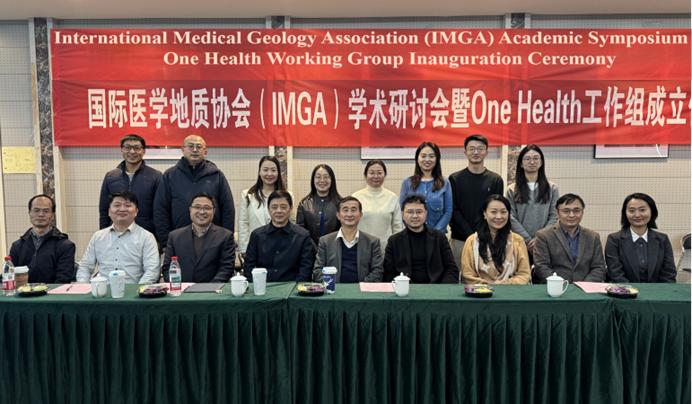
The International Medical Geology Association (IMGA) hosted the IMGA Academic Seminar and the Launch Ceremony of the IMGA Working Group on One Health at the School of the Environment, Nanjing University, China on December 12, 2025.
The newly established IMGA One Health Working Group is dedicated to integrating multidisciplinary knowledge across geology, medicine, and environmental sciences; building a shared environmental-health knowledge network; and developing actionable health-intervention frameworks. The Working Group also aims to strengthen environmental-health service capacity, support early-career researchers, and promote the broader implementation of the One Health concept in support of sustainable development.
The event attracted participants from a wide range of institutions in China and abroad, including IMGA and the University of Galway; Southeast University; Nanjing Medical University; The Hong Kong Polytechnic University; Hong Kong University of Science and Technology (Guangzhou); the Cancer Hospital of the Chinese Academy of Medical Sciences; Jiangsu Provincial CDC; China CDC; Nanjing University of Chinese Medicine; and other universities and research organizations, from geology, environmental science, public health, medicine, and related disciplines to strengthen cross-sector collaboration under the One Health framework.
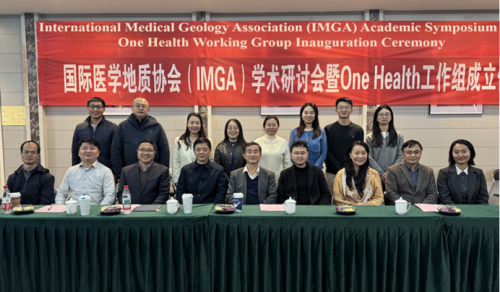
Figure 1. International Medical Geology Association (IMGA) Academic Symposium and Working Group on One Health Inauguration Ceremony
(First row from left: Zou Lisi, Jin Ling, Gu Cheng, Pu Yuepu, Zhang Chaosheng, Xia Yankai, Wang Yan, Sun Hong, Ban Jie; Second row from left: Wang Haoxian, Wang Peng, Huang Lei, Ye Shujun, Wang Qin, Zhang Can, Wu Yangyang, Huang Yujia)
The seminar opened with remarks chaired by Prof. Lei Huang (IMGA Co-Chair; School of the Environment, Nanjing University), who welcomed participants, introduced invited guests, and outlined the agenda for the day. Prof. Cheng Gu (Director, Office of International Cooperation and Exchange; Professor, School of the Environment, Nanjing University) delivered welcome remarks, emphasizing the importance of international exchange and interdisciplinary partnerships in addressing complex environmental health challenges.
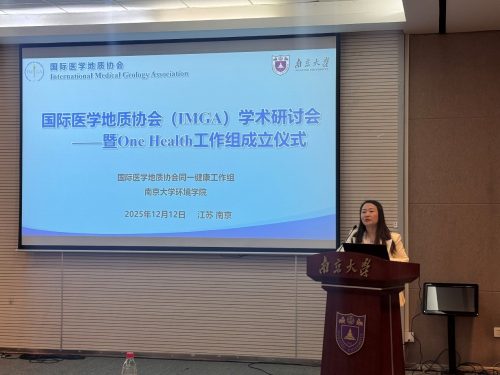
Figure 2. Prof. Lei Huang, IMGA Co-Chair and Professor at the School of the Environment, Nanjing University
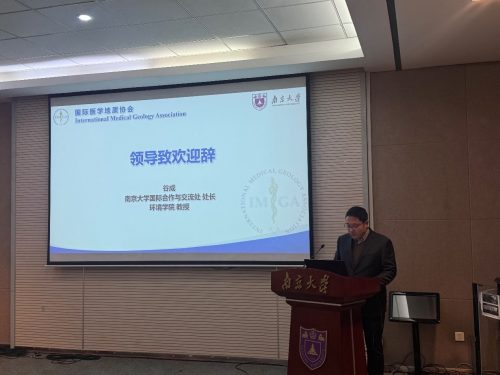
Figure 3. Prof. Cheng Gu, Director of the Office of International Cooperation and Exchange and Professor at the School of the Environment, Nanjing University, delivers a welcome speech.
Prof. Chaosheng Zhang, President of IMGA and Professor of Geography at the University of Galway, Ireland, delivered the keynote lecture titled “Development of IMGA.” In his address, Prof. Zhang reviewed IMGA’s growth and mission and discussed how the Association is positioning itself to better support global collaboration in medical geology-oriented research. The keynote also underscored the importance of building platforms that connect earth-system science with exposure science, risk assessment, and health protection. A group photo session followed, marking the formal launch of the Working Group.
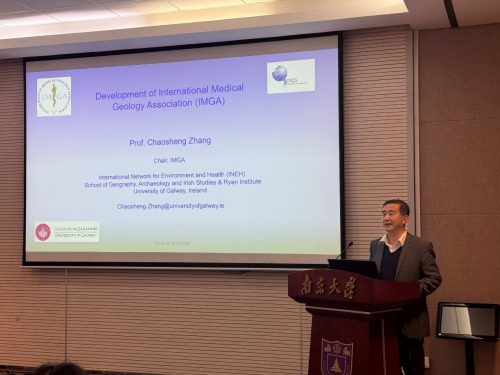
Figure 4. Prof. Chaosheng Zhang, President of IMGA, introduces the association’s objectives.
Academic presentations
This symposium focused on the theme of One Health.
Prof. Yuepu Pu (School of Public Health, Southeast University; Vice President of the Chinese Society of Toxicology) presented “Organ-on-a-chip and Health Risk Assessment.” He introduced emerging organ-on-a-chip technologies and their relevance to toxicological evaluation and health risk assessment, highlighting how physiologically relevant experimental systems can improve evidence generation for exposure assessment and environmental health decision-making.
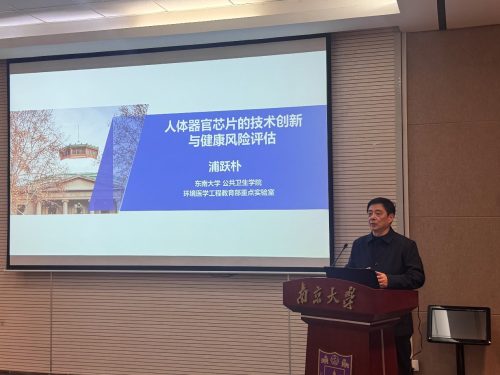
Figure 5. Report by Prof. Yuepu Pu of the School of Public Health, Southeast University.
Prof. Yan Wang (Cancer Hospital, Chinese Academy of Medical Sciences) delivered a talk on “Epigenetic Regulatory Mechanisms of Breast Cancer.” She shared recent advances in understanding epigenetic regulation in cancer development and progression, and discussed how mechanistic biomedical insights can complement environmental health research—especially where complex exposure pathways may influence disease risk and outcomes.
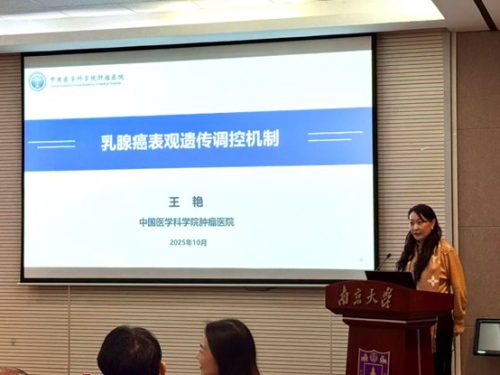
Figure 6. Report by Prof. Yan Wang of the Cancer Hospital of the Chinese Academy of Medical Sciences.
Dr. Hong Sun (Deputy Director, Institute of Environmental Health, Jiangsu Provincial Center for Disease Control and Prevention) reported on “Research Progress on the Jiangsu Human Biomonitoring Program.” The presentation highlighted the role of human biomonitoring in characterizing population exposure profiles, identifying vulnerable groups, and supporting risk evaluation and policy development, while also addressing key issues in program implementation, long-term monitoring, and data coordination.
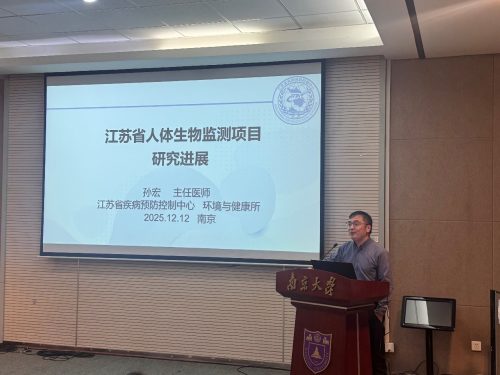
Figure 7. Report by Hong Sun, Deputy Director of the Institute of Environmental Health, Jiangsu Provincial Center for Disease Control and Prevention.
Prof. Shujun Ye (School of Earth Sciences and Engineering, Nanjing University) presented “Groundwater and Human Health.” From a geoscience–public health perspective, she examined how groundwater quality and geochemical processes can shape exposure patterns and health risks, emphasizing the value of coupling earth-system analysis with health research to improve hazard identification and intervention strategies.
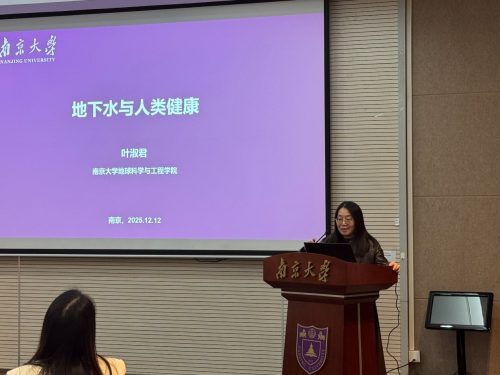
Figure 8. Report by Prof. Shujun Ye of the School of Earth Sciences and Engineering, Nanjing University.
Prof. Yankai Xia (Vice President, Nanjing Medical University; Professor, School of Public Health) delivered “Integrated Health Risk Assessment of Environmental Exposure to Agricultural Chemicals Based on the TRAEC Strategy.” He discussed approaches to evaluating complex exposure scenarios associated with agricultural chemicals and presented integrated frameworks for health risk assessment, stressing the importance of systematic, evidence-based assessment to support risk prevention and targeted governance.
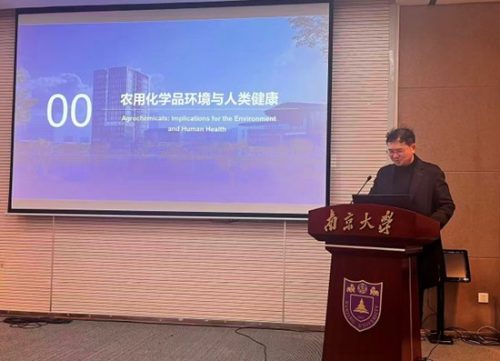
Figure 9. Report by Yankai Xia, Vice President of Nanjing Medical University and Professor at the School of Public Health.
Dr. Ling Jin (Assistant Professor, Department of Civil and Environmental Engineering, The Hong Kong Polytechnic University) presented “One Health–oriented research on chemical–microbial interplay in the environment.” He focused on the interactions between environmental chemicals and microbial processes, and explained how these coupled mechanisms influence ecological and human health outcomes, offering perspectives on future research directions in mechanistic understanding, monitoring, and interdisciplinary integration.
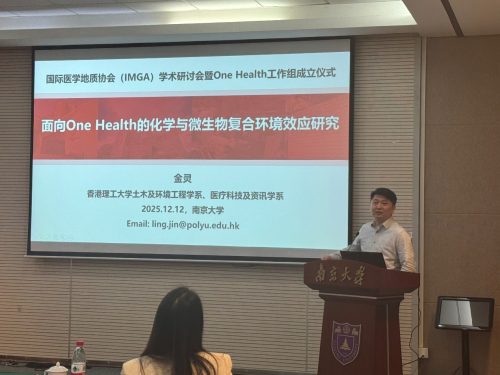
Figure 10. Report by Dr. Ling Jin, Assistant Professor at the Department of Civil and Environmental Engineering, The Hong Kong Polytechnic University.
Dr. Jie Ban (Director, Climate Change Division, National Institute of Environmental Health, China CDC) delivered a presentation on health impacts and risk projection of extreme precipitation under climate change. She discussed the links between climate-related extreme events and health risks, and highlighted the importance of risk projection, early warning, and resilience-building to protect public health in a changing climate.
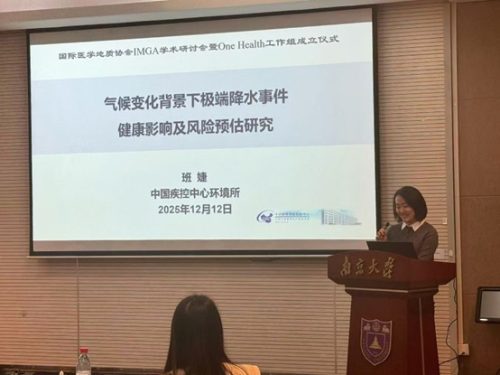
Figure 11. Report by Jie Ban, Director of the Climate Change Division at the Chinese Center for Disease Control and Prevention’s Institute for Environmental Health.
Senior Researcher Lisi Zou (Nanjing University of Chinese Medicine) presented a talk on how environmental conditions affect medicinal plant resources and their potential health-related properties, offering a distinct One Health perspective that connects natural resources, environmental variability, and health-related outcomes.
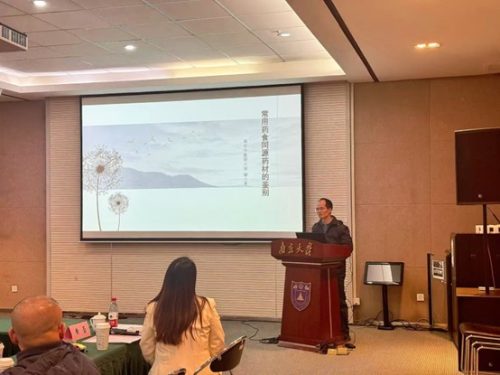
Figure 12. Report by Lisi Zou, Senior Researcher at Nanjing University of Traditional Chinese Medicine.
Dr. Can Zhang (Assistant Researcher, National Institute of Environmental Health, China CDC) concluded the academic program with “Health impacts of dust exposure on cardiovascular diseases.” She summarized evidence on dust-related exposures and cardiovascular risks, and discussed how combining epidemiological findings with environmental process research can better inform risk communication and public health interventions.
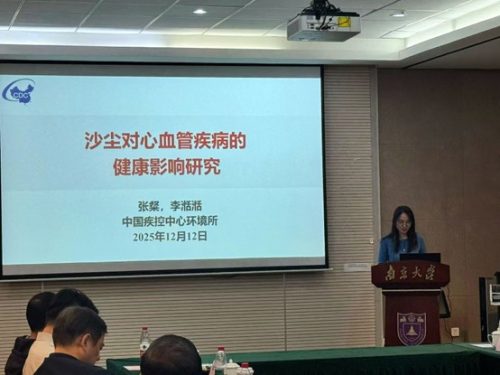
Figure 13. Report by Can Zhang, Assistant Researcher at the Institute of Environmental Health, Chinese Center for Disease Control and Prevention.
As an inaugural academic activity following the establishment of the IMGA One Health Working Group, the seminar strengthened high-level scholarly engagement and set a clear foundation for future joint research, capacity building for early-career scholars, and the practical advancement of One Health–oriented environmental health research and action.